Conceptual Case Study: Designing For Space
The goal of this project was to identify an underutilized real-world space and develop an identity system that would give it meaning. The design process used macro-typography to explore space and placemaking within the selected location.
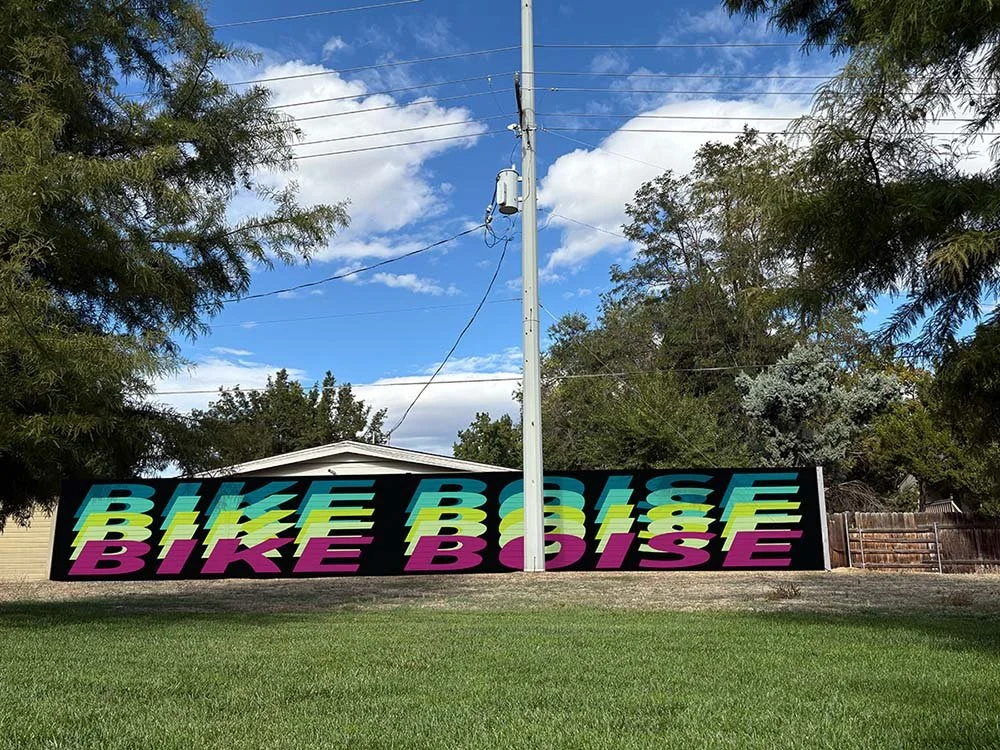
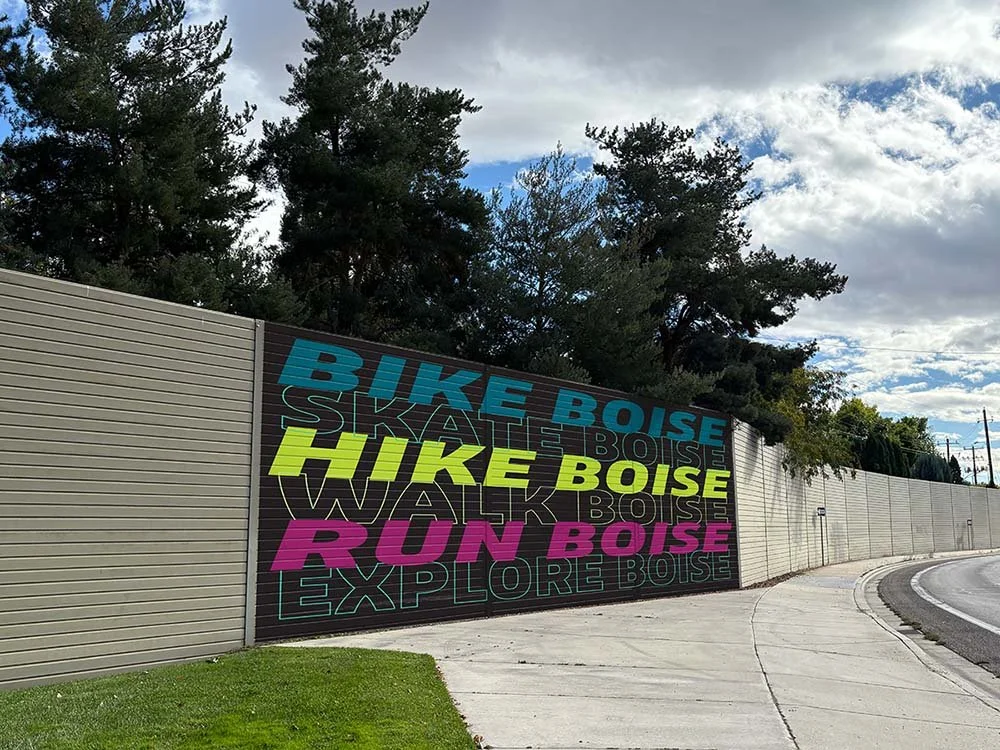
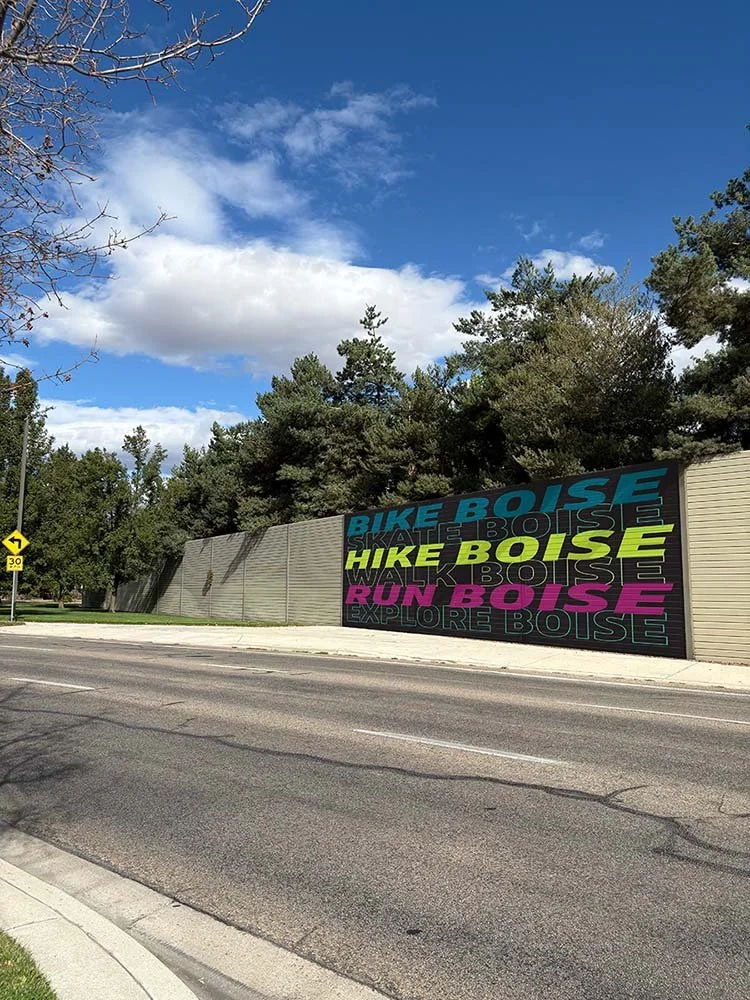
Location Selection
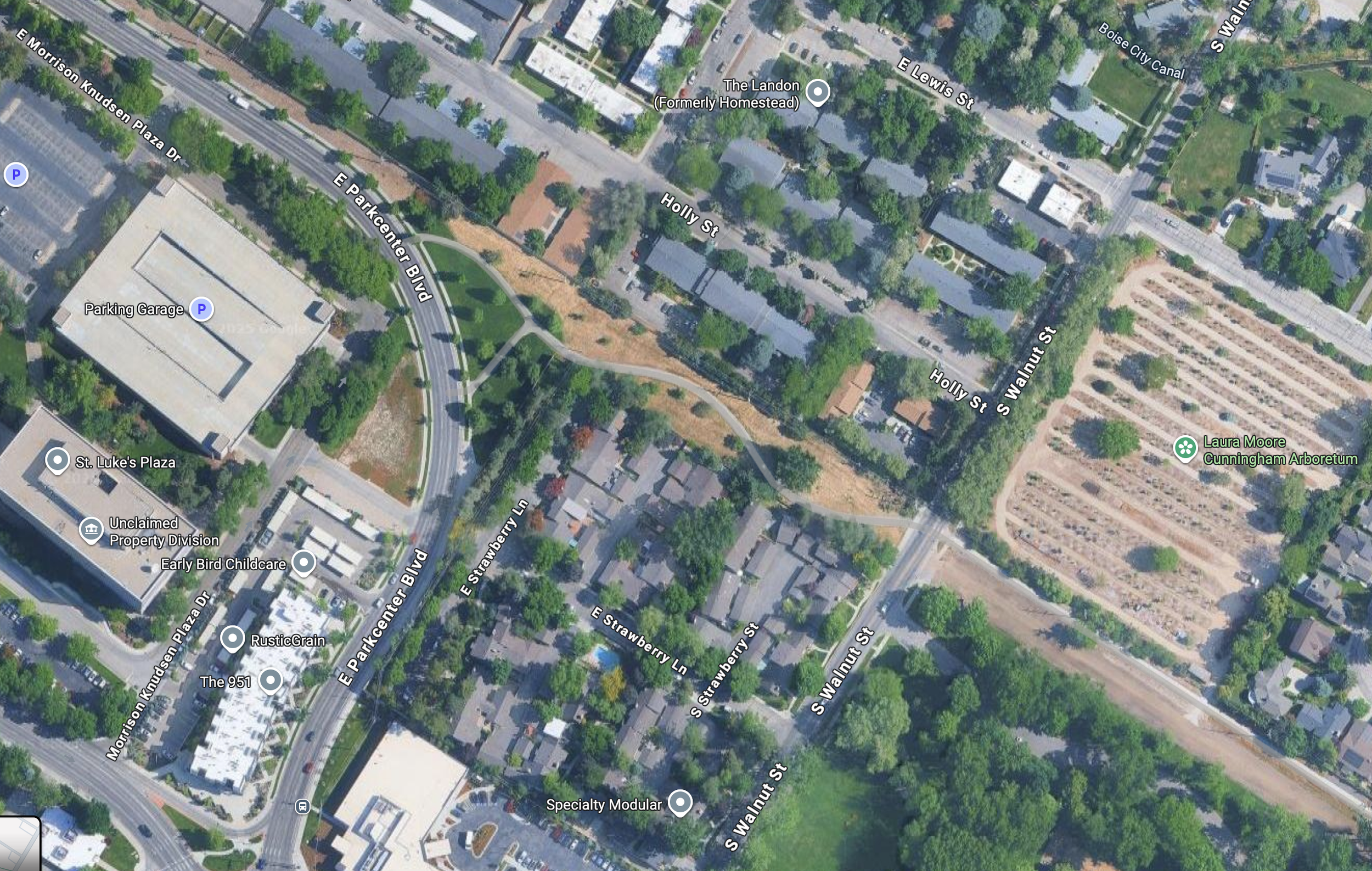
Part of this project's process was selecting and identifying a space with the potential to become a meaningful and purposeful place for the community. The first week involved some site identifying exploration to evaluate potential locations. The final site was selected as a rather isolated section of greenbelt between Park Center Blvd and Walnut St in Boise, ID.
Project Concept
The following weeks involved site visits, exploring the surrounding area, and brainstorming. The goal was to identify the connotative and denotative context of the space and to define what potential value this space could hold for the community.
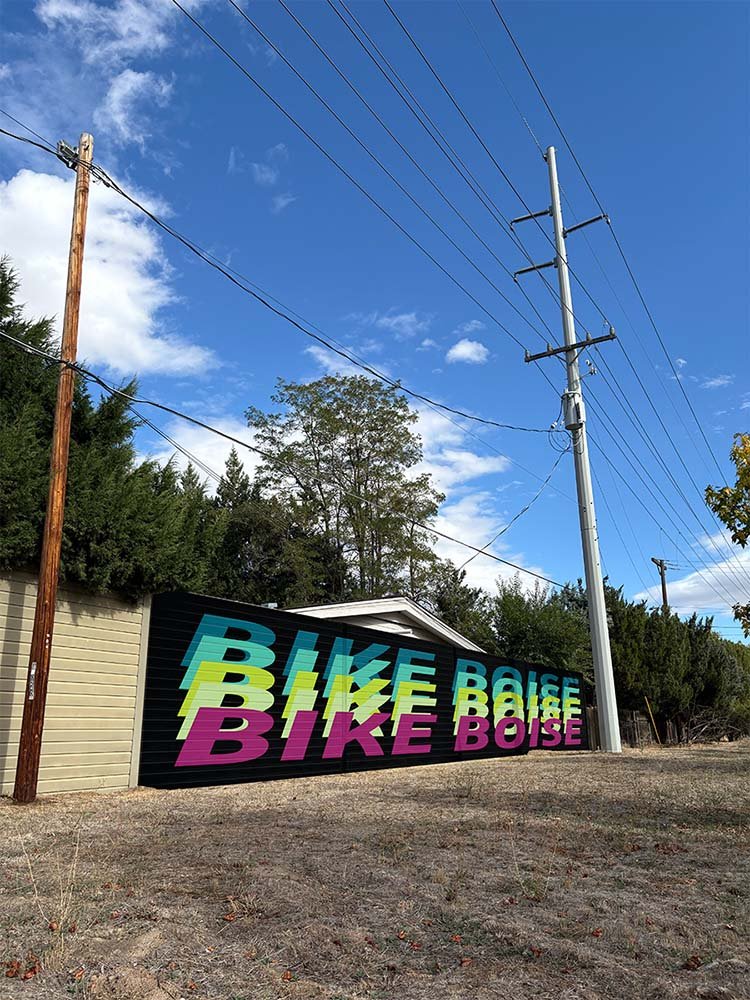
The denotative context provided information about the location itself. The space had a pathway connecting a high-traffic area (Park Center Blvd) with a more residential, nature-oriented area (Walnut St). On the Park Center side, there was a lot of vehicle activity on the actual street. A busy sidewalk followed the flow of traffic, branching into the greenbelt section that connected the two spaces. On either side, there was a sound wall that separated the traffic from the more residential sections of the space. On the Walnut St side of the park were a series of apartments and single-family homes, as well as Kirsten Armstrong Park directly across from the space. Existing infrastructure stood out as potentially useful elements and a blank canvas for the design of the space. This included the sound walls, the sidewalks, the greenbelt, and both roads, along with their existing wayfinding tools.
The connotative context provided purpose for what was designed and created meaning during the design process. The nature of the space was defined by its current role as an “in-between” for two different, distinct locations. This, in itself, gave the space meaning as a shortcut for foot traffic and other pedestrians. In the broader cultural context of Boise, being outdoors and active seemed relevant to the space. Its proximity to the broader Greenbelt system, hiking trails, parks, a golf course, and the university heightens this concept as a potentially useful lens for viewing the space. This context informed the following rounds of brainstorming and final design development.

Concept Development
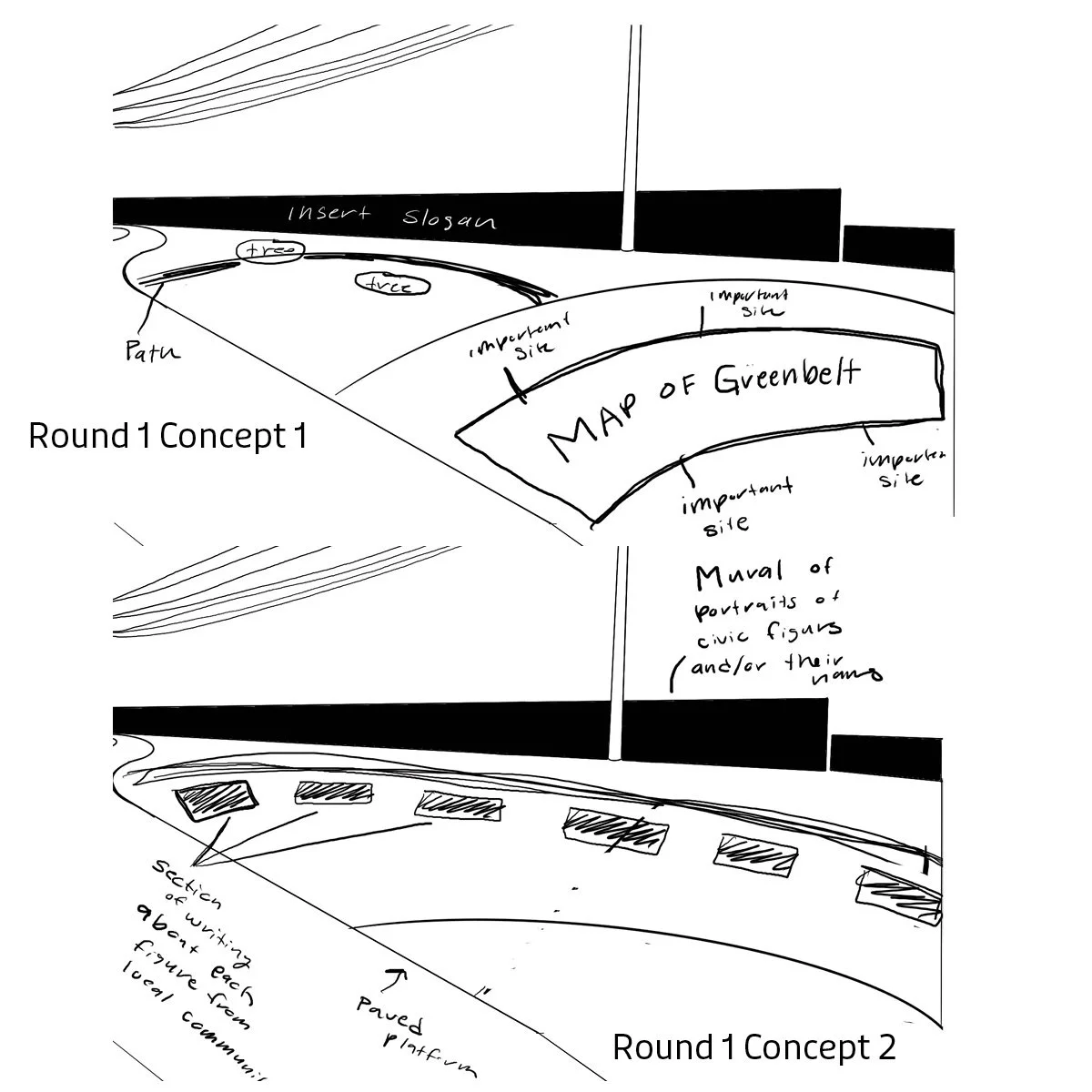
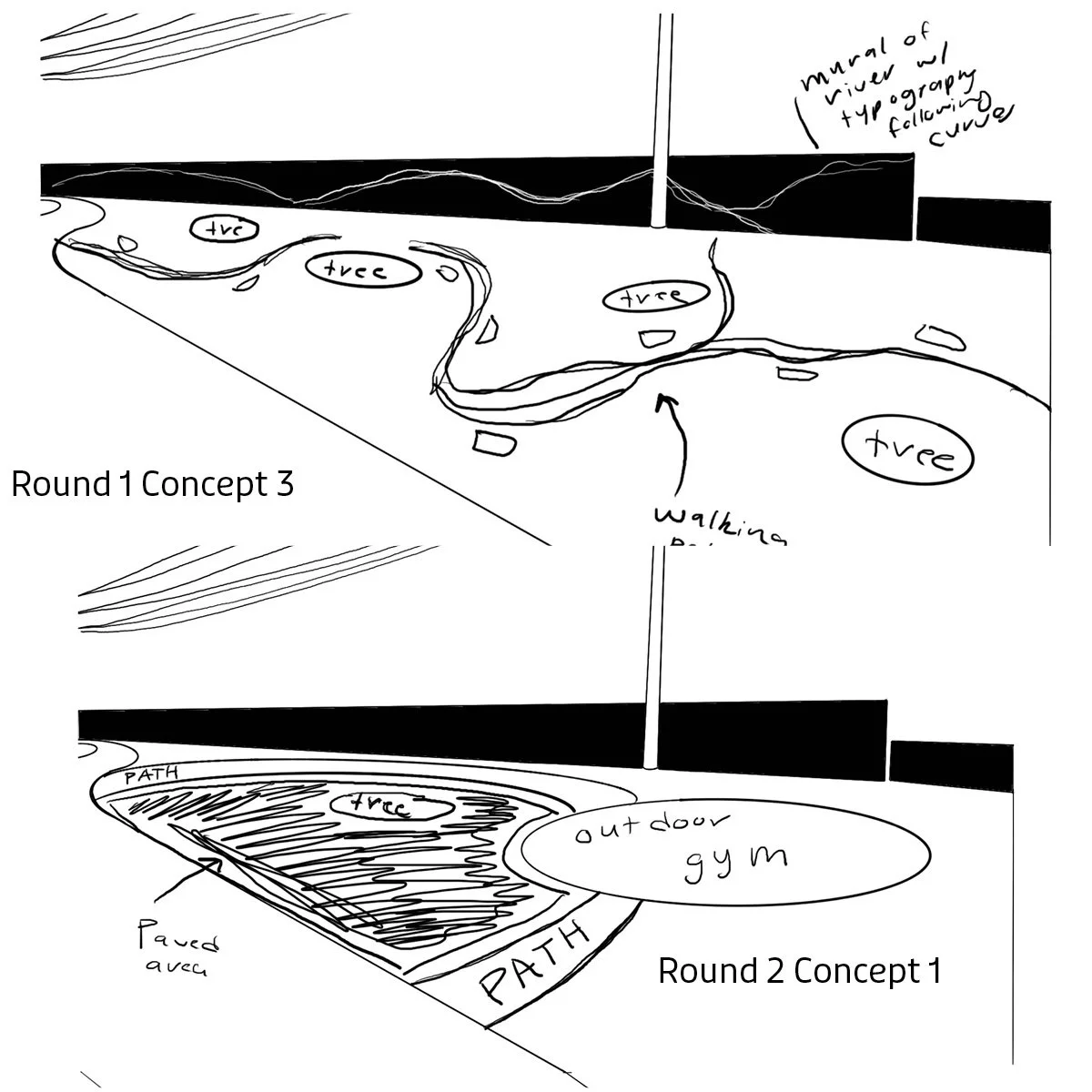
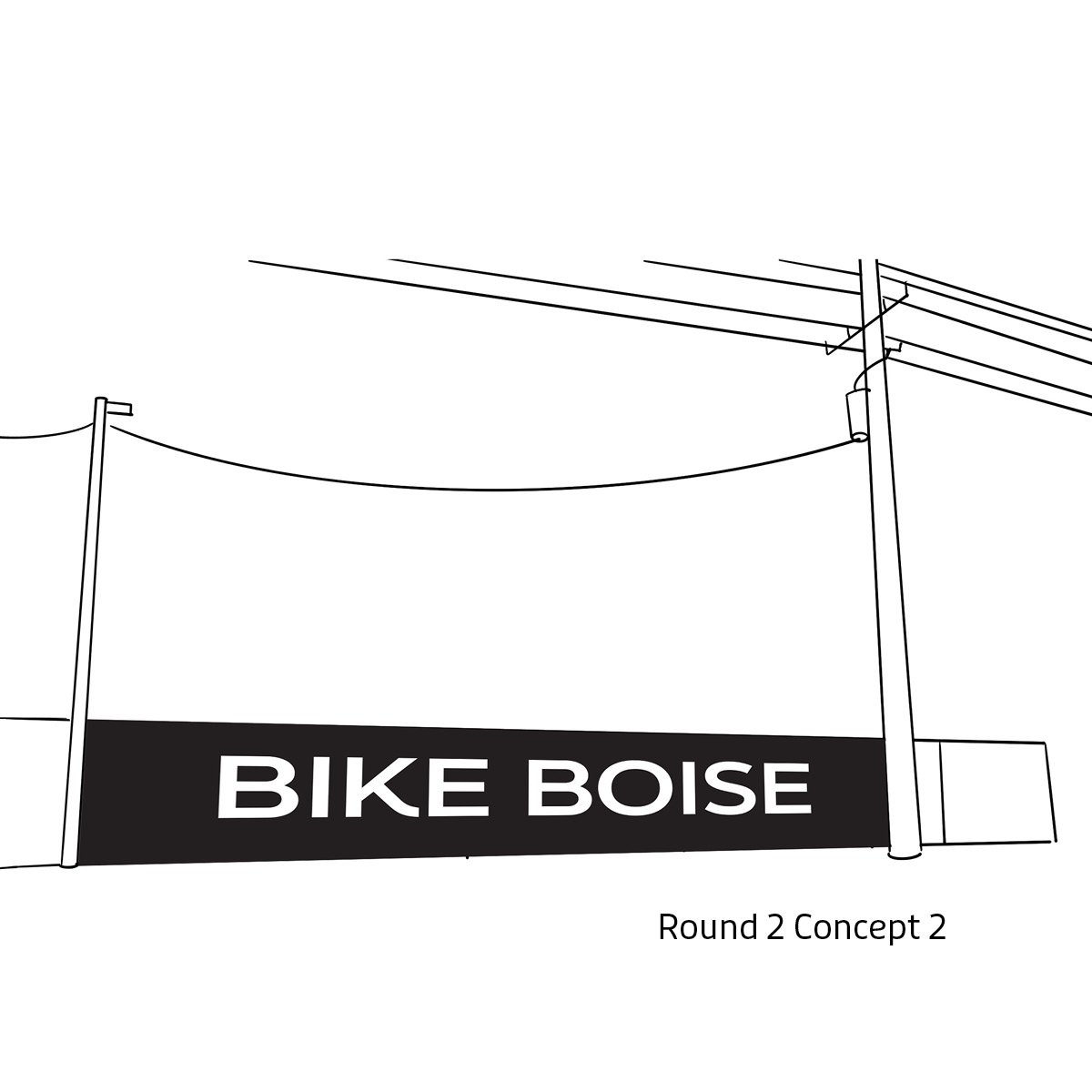
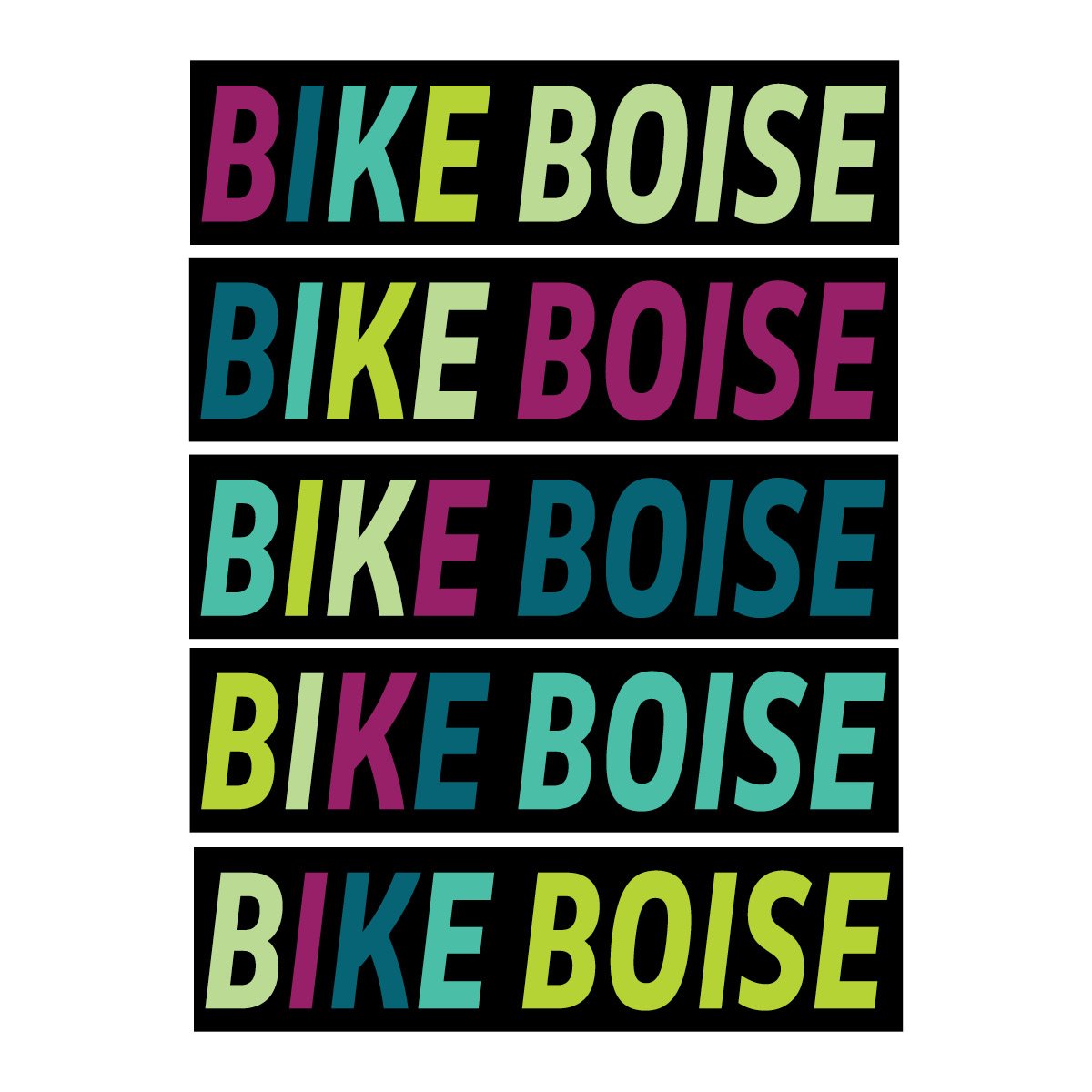
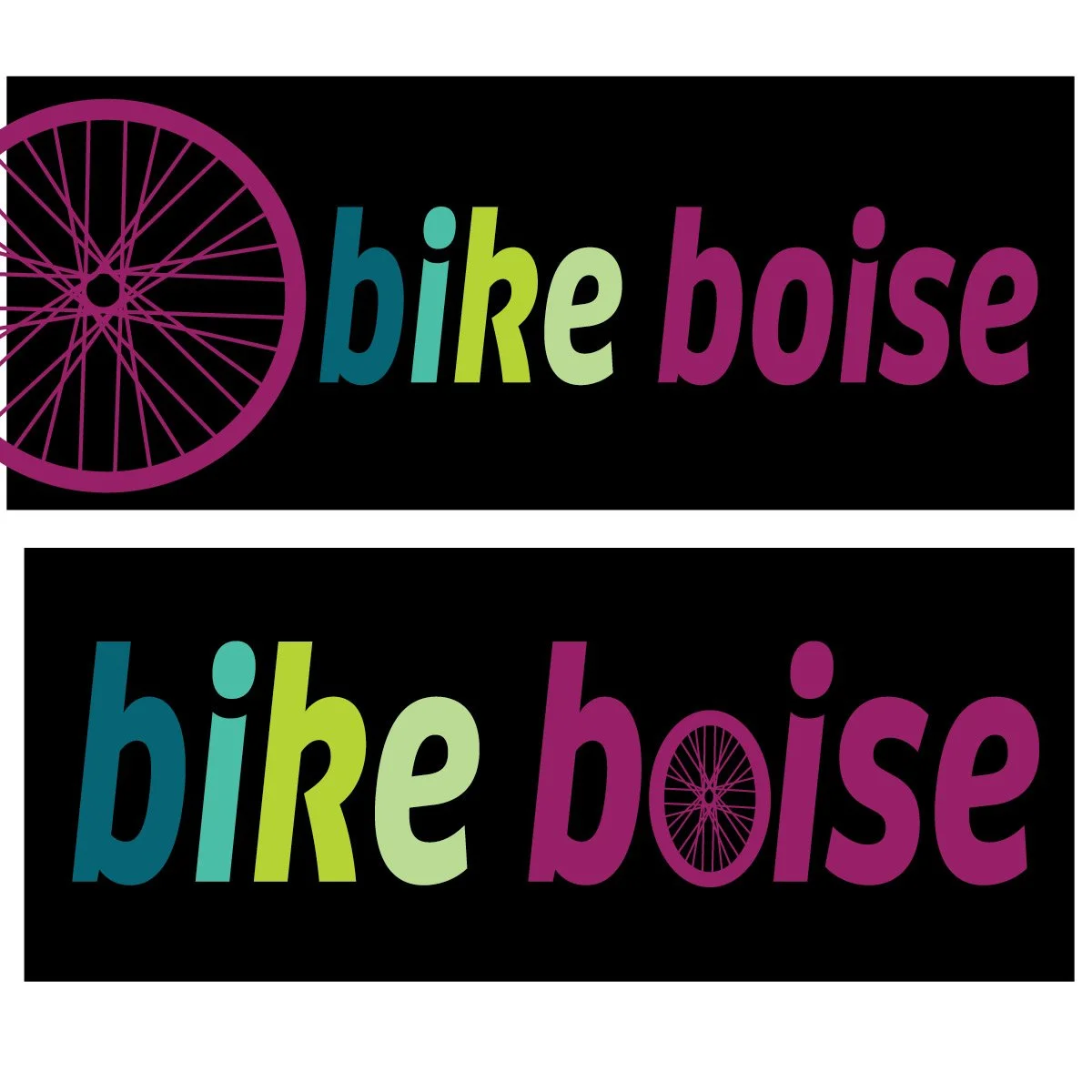
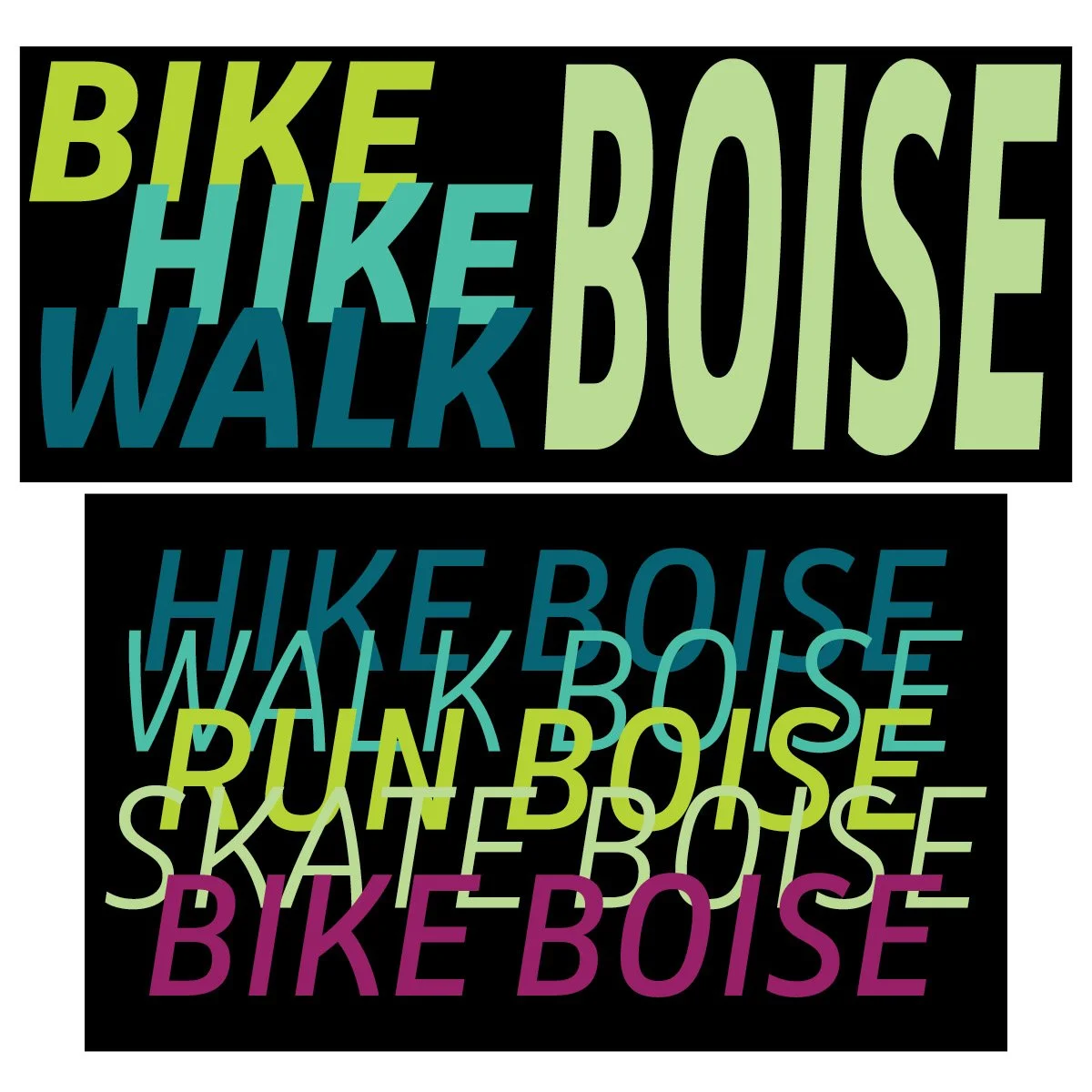
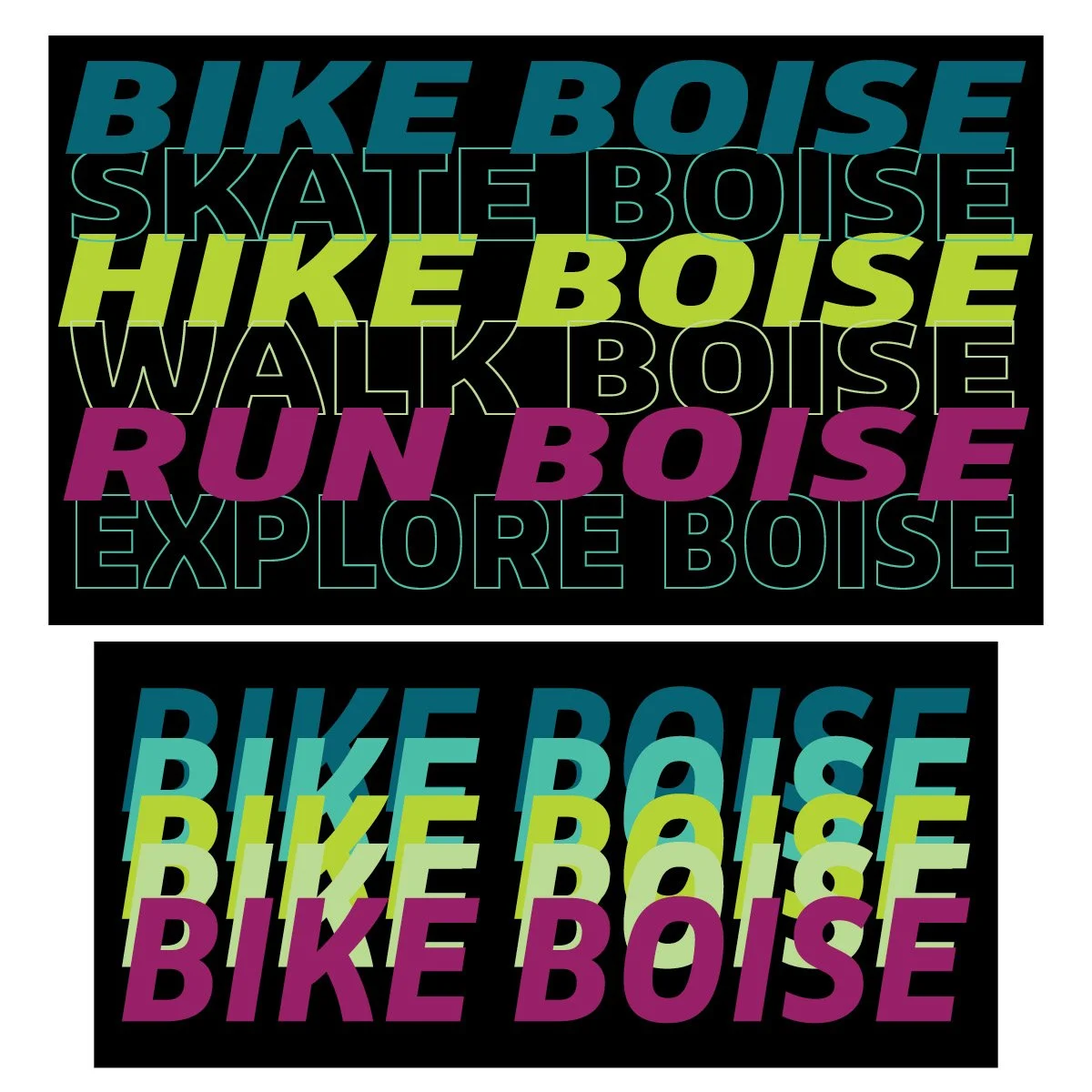
Before deciding on the final concept for this project, several designs were explored through brainstorming, peer feedback, and revisions. During the first week of brainstorming, concepts like using the existing space as a wayfinding tool (Round 1 Concept 1), explorations of the historical context of the space (Round 1 Concept 2), and highlighting the conservation of the surrounding outdoor spaces like the nearby Boise River (Round 1 Concept 3) were considered. After hearing feedback from peers and instructors, the second round of revisions focused on creating an engaging space that created meaning through community engagement or a call to action. These ideas included creating a public outdoor gym in the space (Round 2 Concept 1) or encouraging people to get outside through various activities, e.g., “Bike Boise” (Round 2 Concept 2). From Round 2, the second concept was decided to be the most effective. The following weeks involved revisions to refine the concept until it reached its final design.